Reflections on Re-implementing Flax Production in the Nordic
Prosjekter
publisert
Skrevet av: Sofia Munk
Newly graduated Fashion and Textile Designer from The Royal Danish Academy. In my future career, I am interested in bringing back local digital knit production to Denmark.
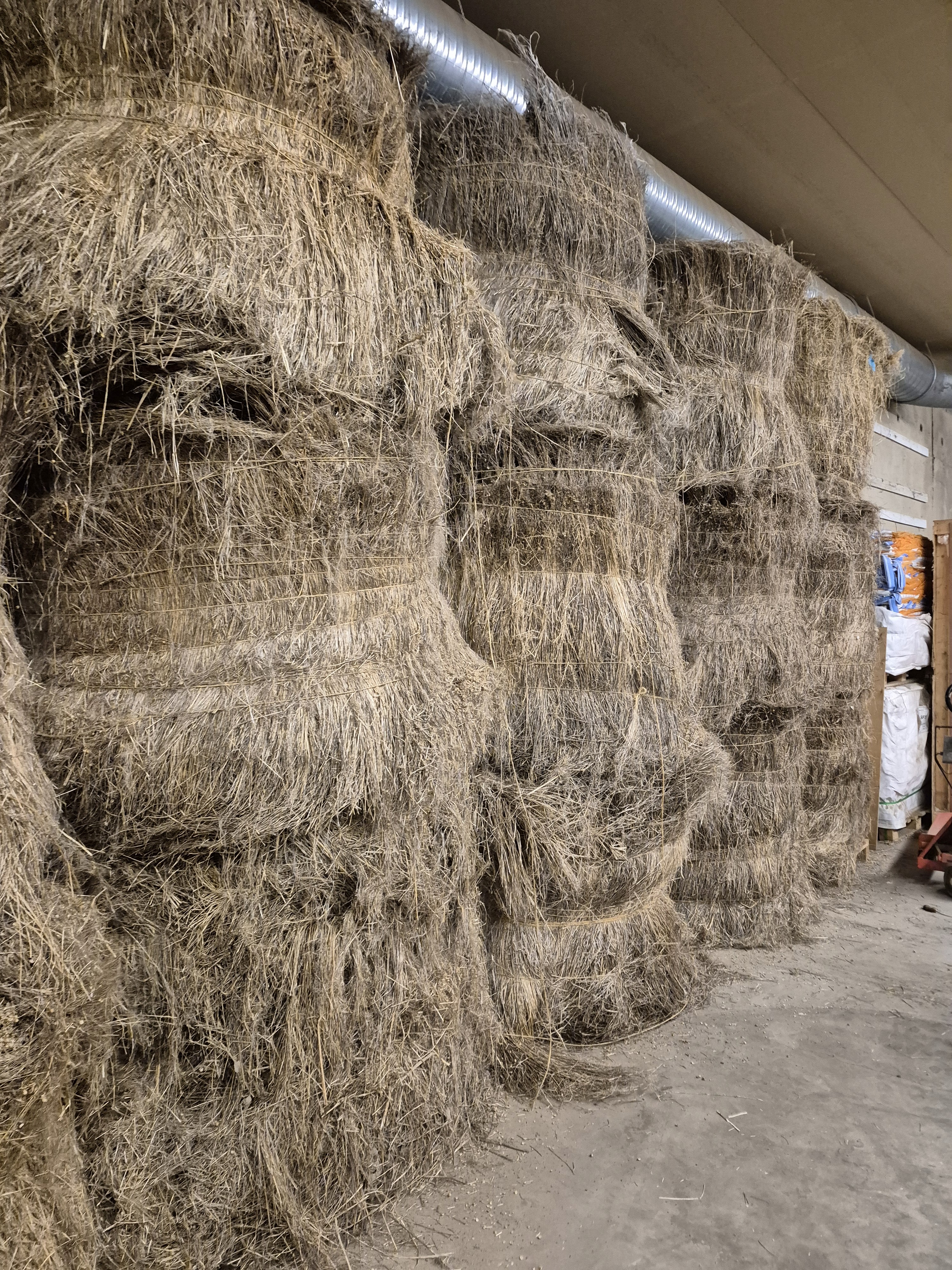
During our study trip to Finland with Nordic Flax Futures, Leena Pesu guided us through what it might take to re-establish flax production in the Nordic region. In this blog-article, I reflect on one idea that stayed with me: the future of textiles may not lie in perfect uniformity, but in embracing variation, origin, and proximity. Flax reflects climate and process—variation is its voice
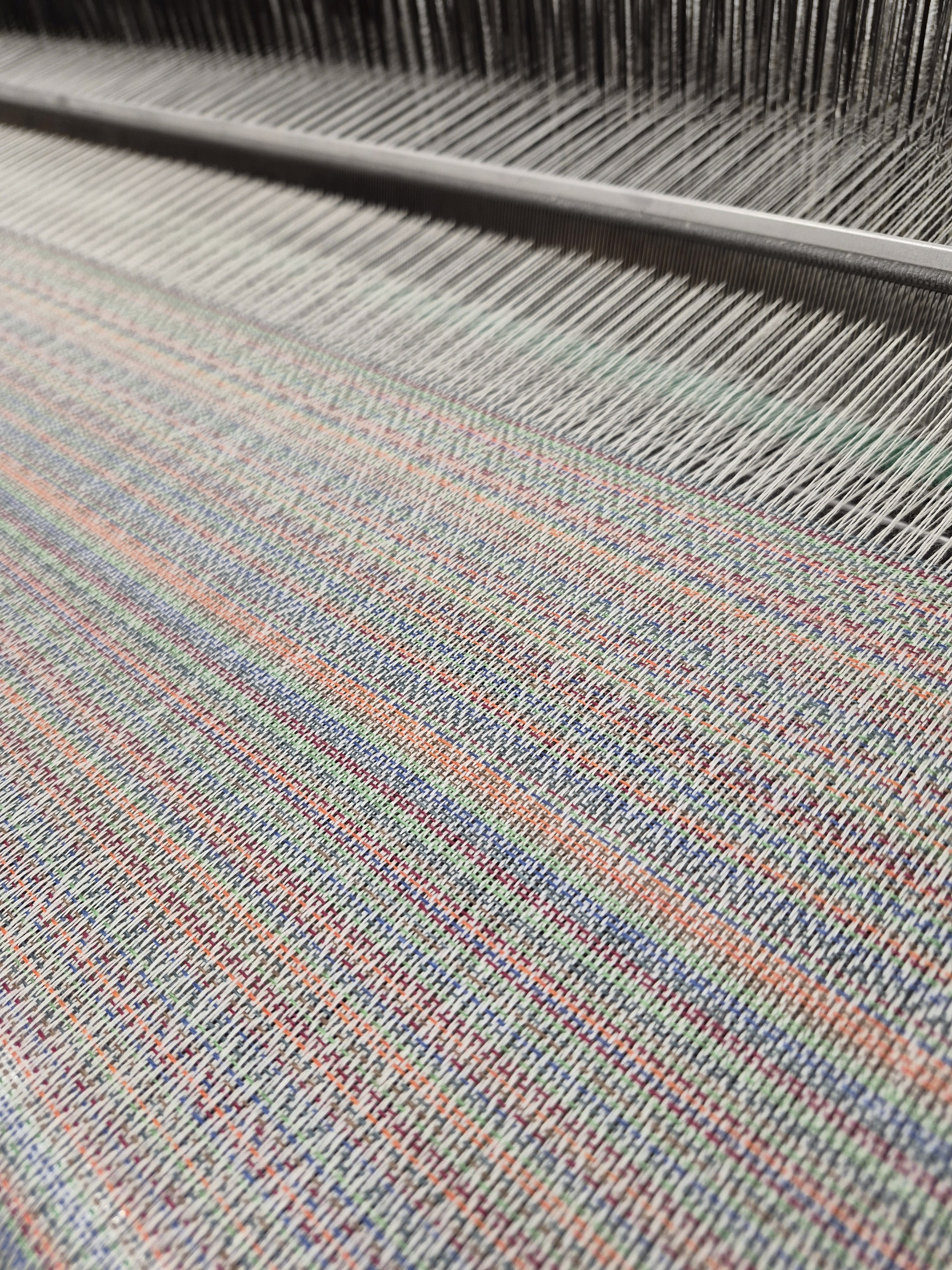
Reflections on Re-implementing Flax Production in the Nordic Countries & Its Value for the Future of Textiles
In a world that is increasingly uncertain—both politically and environmentally—it feels more important than ever to look back and consider how fibre and textile production might return to the Nordic countries in a way that is relevant today.
March 18th to 20th 2026 I was invited to join a study trip to Finland with Nordic Flax Futures, planned by Leena Pesu, Linnen Stories, where we visited different parts of the flax production chain. The trip challenged my thinking in ways I did not expect, since it added a layer of understanding to the complex challenges we are facing because it revealed huge gaps in what we want to achieve if we are optimistic about being sustainable and then how we actually live and think as individuals and a global society today.
Once, flax was widely grown in the Nordic countries and was an important part of textile production. Today, however, only a few places still cultivate, process, and/or weave with it. This is due to several challenges that I will try to reflect on in this blog. Flax is not just another crop. For farmers, it represents a significant commitment. Growing flax requires specialized machinery, long-term planning, and a deep understanding of both the land and the material. It is not a crop you can simply rotate in and out. Flax is typically grown only every seven years on the same field. The decision to grow it depends not only on soil and climate, but also on whether there is a buyer, and whether there are skilled people capable of working with its inherently inconsistent fibres. And inconsistency is key.
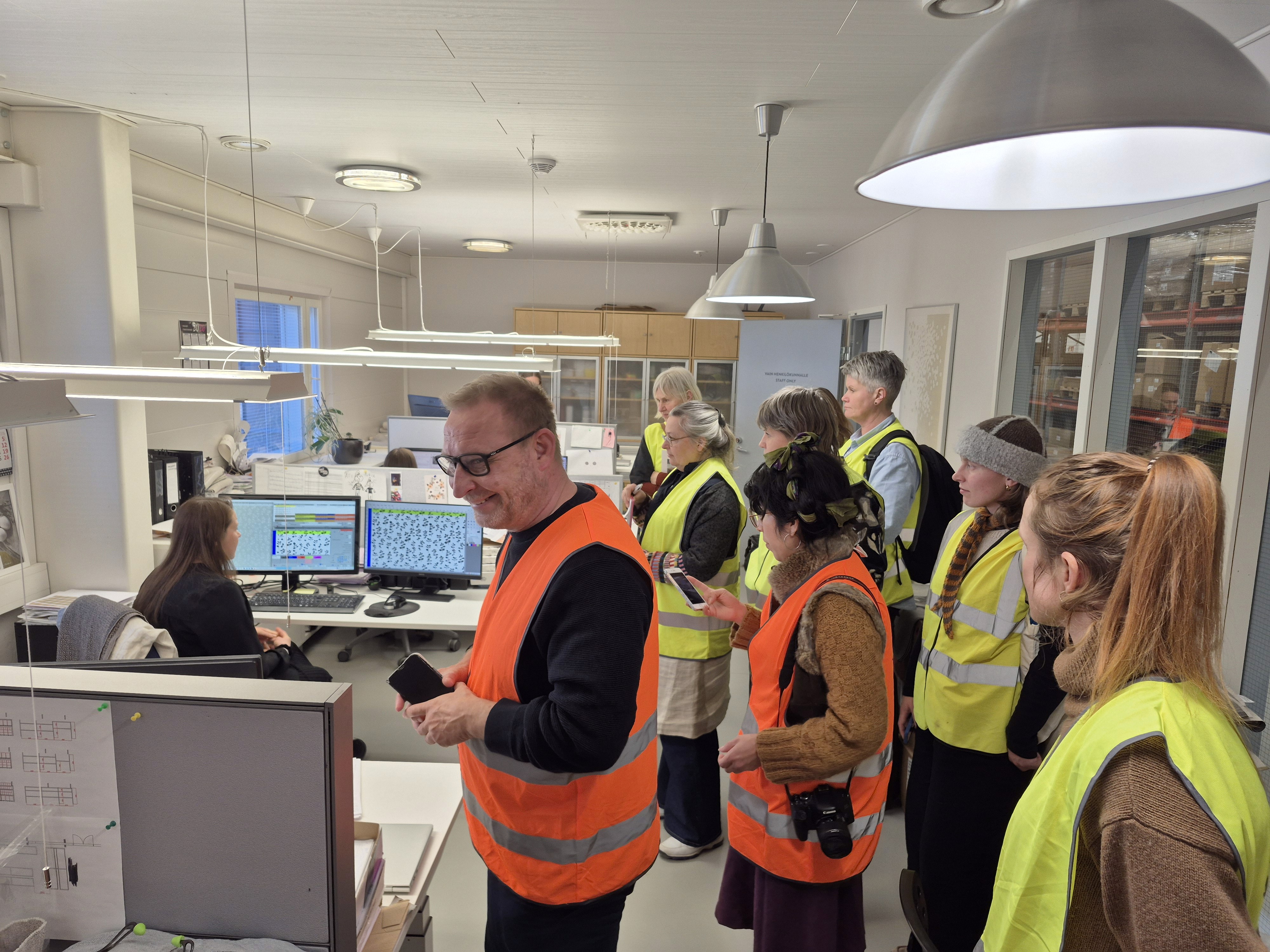
The quality of flax is shaped by forces outside human control: weather conditions, moisture levels in the field, and especially the retting (rotting) process. Small variations can lead to significant differences in the final fibre. In this way, flax is not unlike wine—we would never expect wine to taste the same across regions or years, so why do we expect textile fibres to be uniform? This question stayed with me throughout the trip. Why must flax look the same? Why do we demand standardization from something so deeply rooted in natural processes? Perhaps part of the answer lies in our lack of understanding. There is a growing disconnect between agriculture and the garments we wear. If we were more aware of how fibres are grown and processed, we might begin to value variation rather than reject it. We might even see textiles as something unique—products of time, place, and care—rather than generic, endlessly replaceable goods.
This perspective also reshaped my understanding of “local production.” Even if I were to produce knitwear locally in Denmark as a Danish designer specialized in digital knit, the materials themselves might still come from far away. True locality would require engaging with the entire value chain: from growing flax, to processing it into linen, to spinning, knitting or weaving, washing, and finishing. Each step carries its own challenges, and our current mass production systems make it difficult to approach this holistically on a small scale. Yet, this complexity does not make the idea irrelevant—quite the opposite. Nordic flax production feels more relevant than ever in a time marked by uncertainty and shifting global systems. We often hear brands promoting “sustainable” products, but this term can be misleading. Every product requires resources and has an environmental cost. Even organic cotton, for example, can demand large amounts of water. Perhaps true sustainability lies not in perfect materials, but in proximity and awareness. By bringing production closer to home, we also bring its challenges and consequences closer. This might foster a deeper respect for resources and a more mindful relationship with what we wear.
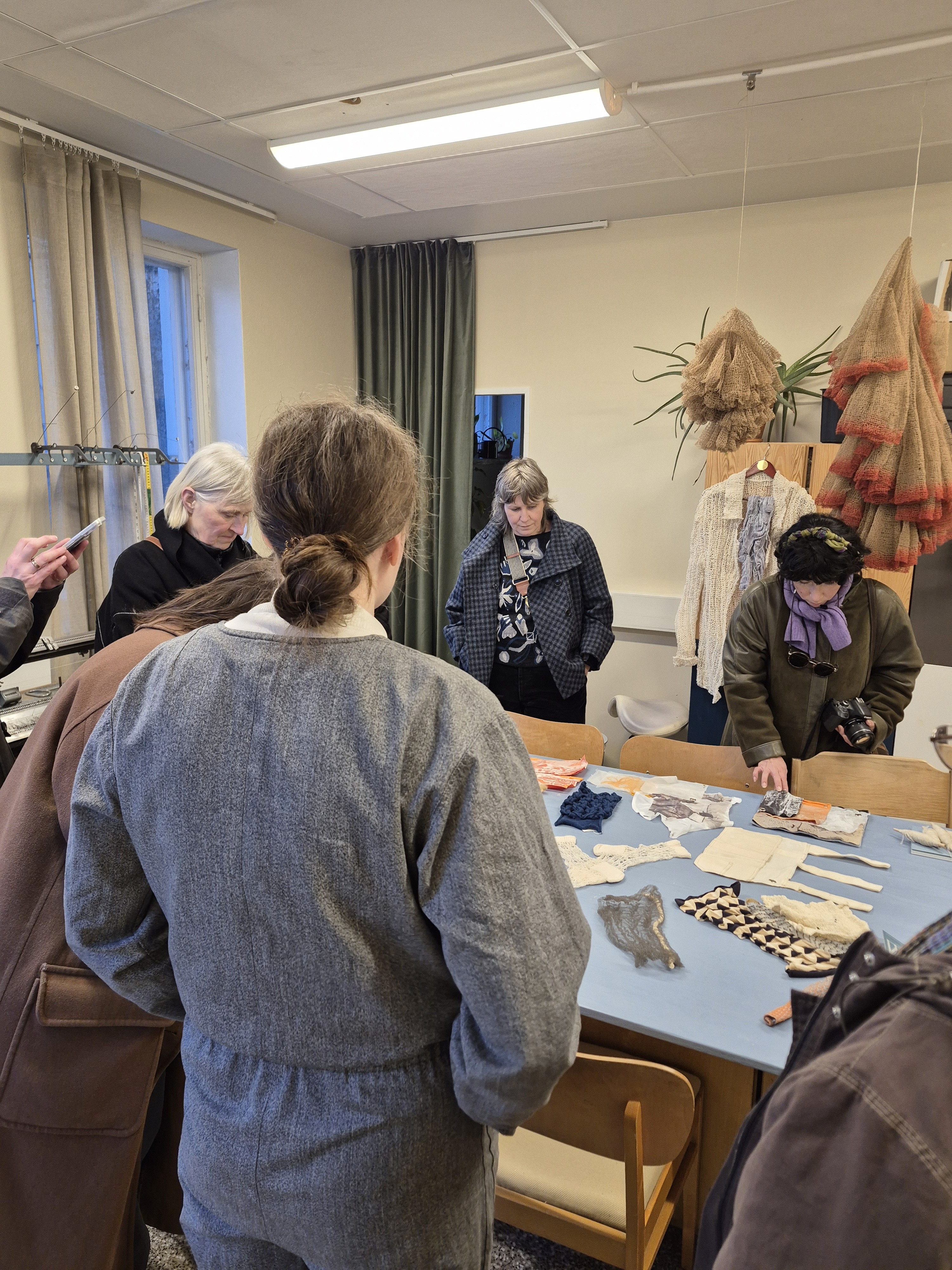
Looking ahead, the future may not be about producing more—but about producing less, and better. Higher quality, greater durability, and a stronger connection to origin. But this shift will not happen through production alone. It requires education—about textiles, about agriculture, and about the unrealistic expectations we place on our garments. If we can begin to understand fibres like flax in the same way we understand wine—valuing variation, origin, and time—we might also begin to rebuild our relationship with clothing. And perhaps, step by step, we can build new systems on old knowledge that make this belief tangible.
KEY INSIGHTS FROM VISITING THE FLAX VALUE CHAIN
1. Infrastructure is a big barrier
At Nord-Lin, it became clear that the knowledge and even machinery for flax processing still exist. However, the scale of investment required—particularly for specialized equipment and air purification systems—makes it difficult to restart production in a financially viable way. Once one part of the chain disappears (such as spinning), the entire system collapses.
2. Flax depends on long-term investments and unreliable weather
Farmers, processors, and manufacturers are deeply interdependent. As seen with the farmers around Närpes, flax cultivation only made sense when there was a guaranteed buyer. Without stability across the value chain, the risk becomes too high for individual actors to commit and invest. At the same time unpredictable weather conditions—especially moisture levels affecting retting and harvesting—directly impact fibre quality. This reinforces the idea that working with flax requires accepting variation, rather than trying to eliminate it.
3. Purely “Local” production is more complex than it appears
At Lapuan Kankurit, even a highly developed and sustainability-focused company relies on imported linen. This highlights that local production is not just about where products are made, but about rebuilding entire supply chains—something that currently does not exist at scale in the Nordic region.
4. Small-scale production offers flexibility—but faces continuity challenges
At TaTe-team, the adaptability of small weaving mills was evident, particularly in their openness to different materials and custom projects. However, limited capacity and lack of generational renewal raise concerns about long-term continuity.
5. Innovation is happening on many levels— from production
At Tampere University of Applied Sciences and the Biocolour research project at Häme University of Applied Sciences, research into fibres and natural dyeing shows promising alternatives for the future. What is needed now might be uniting these separate fields and integrate in education to create a change in the consumer culture.
CONCLUSION
Across all visits, it became clear that while knowledge of flax production and processing still exists, it is gradually disappearing with the generation that holds it. At the same time, interest might be growing—but the system itself remains fragmented. Rebuilding flax production is therefore not simply a question of agriculture or design; it requires reconnecting every stage, from field to finished textile—and ultimately perhaps re-educating to the user.